
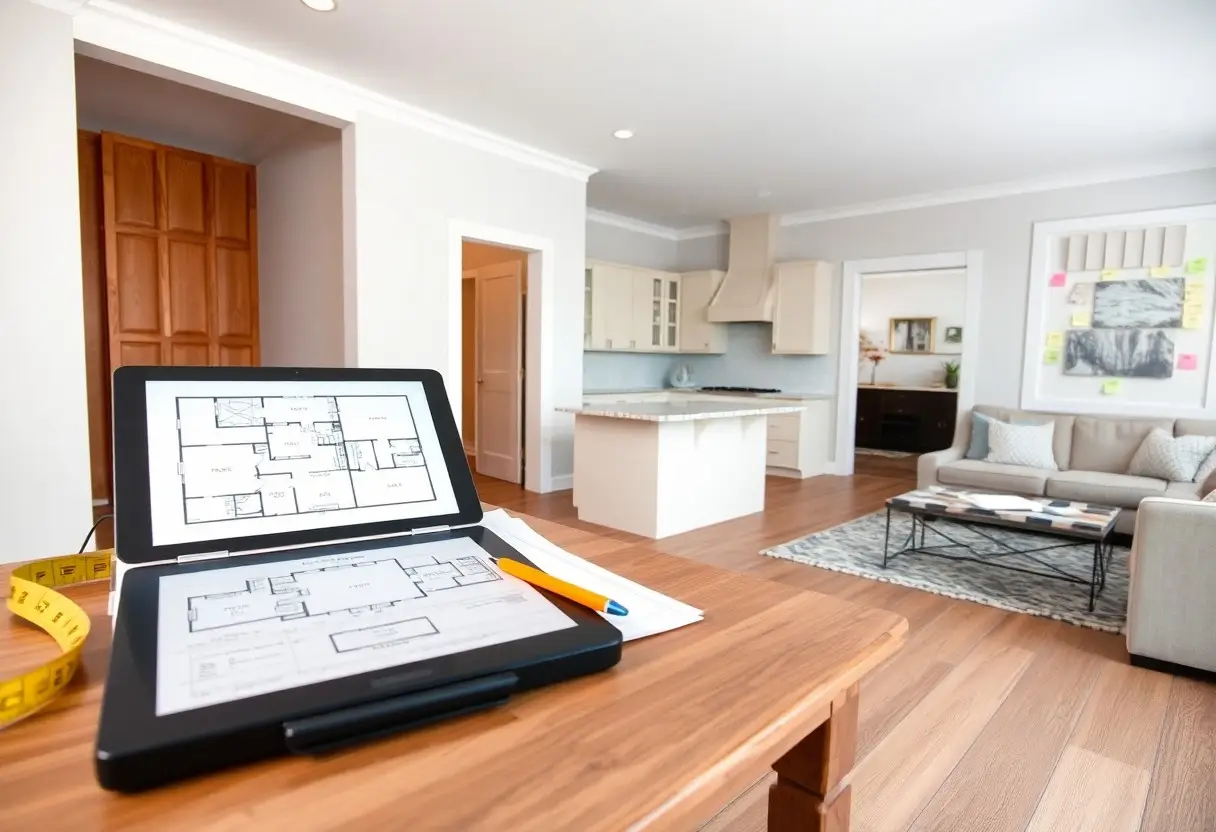

Home remodeling begins with a clear plan, not a hammer in hand. Your budget and goals shape every decision, so define them first. Skipping structural and safety assessments can lead to dangerous, costly mistakes. Prioritize permits, load-bearing elements, and systems like electrical and plumbing. Starting right ensures a smoother, safer renovation from start to finish.
The Blueprint of Intent
Every successful whole-home remodel begins with clarity. You need a clear vision that aligns function, aesthetics, and long-term goals. Without this foundation, even the best materials and craftsmanship can fall short. Your intent shapes every decision, from layout changes to finish selections, and ensures your investment delivers lasting satisfaction.
Measuring the bones
Start by assessing your home’s existing structure. Square footage, load-bearing walls, and ceiling heights define what’s possible. You can’t ignore these limitations-trying to do so risks costly surprises. Understanding your home’s structural realities helps you plan wisely and avoid compromising safety or budget.
The cost of ambition
Ambition drives design, but it also drives budgets. Dream kitchens and open-concept living sound ideal, but each change multiplies expenses. Labor, materials, and permits add up fast. Be honest about what you can afford-going too far beyond your means risks financial strain and incomplete projects.
When you push beyond basic updates into structural changes or luxury finishes, costs rise exponentially. Tearing down walls requires engineering, new inspections, and often upgraded systems. High-end appliances or imported tile may look stunning, but they come with longer lead times and higher installation demands. Your ambition should be matched by a realistic contingency-ideally 15-20% of your total budget-to cover the unexpected issues that always emerge behind walls and under floors.
The Wet Rooms First
Wet rooms-spaces with plumbing and water exposure-should be your starting point in a whole-home remodel. Addressing these early lets you avoid costly rework, as hidden leaks or outdated pipes can derail timelines. Tackling bathrooms and kitchens first ensures structural integrity and sets the stage for smoother finishes downstream.
Plumbing the depths
Peeling back walls reveals what’s inside your home’s circulatory system. Outdated galvanized pipes or improper venting can lead to serious water damage or code violations. You’ll want to upgrade to PEX or copper where needed, ensuring supply and drainage lines support modern fixtures without strain.
Kitchens and baths
These rooms drive both function and resale value. Updating them early locks in layout decisions that influence flooring, lighting, and adjacent spaces. Proper venting, waterproofing, and electrical integration must align with plumbing work, making coordination crucial for long-term performance and safety.
When remodeling kitchens and baths, precision in layout saves time and money down the line. Cabinetry, countertops, and tile depend on stable, dry substrates-so completing waterproofing and utility rough-ins first is non-negotiable. Mistakes here often result in mold, structural rot, or failed inspections, so invest in expert assessments before closing up walls.
Structural Integrity
Every successful whole-home remodel begins with a solid foundation-literally. Before changing aesthetics or upgrading fixtures, you must assess your home’s structural integrity. Ignoring underlying issues can lead to dangerous failures and costly repairs down the line. This step ensures your vision stands on safe, stable ground.
Foundations and roofs
Your foundation supports everything, and your roof shields it all. Cracks, settling, or water damage in either can compromise the entire structure. You need to inspect for uneven floors, sticking doors, or sagging rooflines-early signs of trouble. Addressing these now prevents major issues later.
Walls that hold
Load-bearing walls keep your home upright, not just enclosed. Removing or altering one without proper support risks collapse or structural failure. You should always consult an engineer before making changes. Recognizing which walls support the frame is important to a safe renovation.
Identifying load-bearing walls requires more than guessing based on location. These walls often run perpendicular to floor joists and may sit directly over beams or other supports below. You might find them near the center of the home or along exterior edges. Opening up a wall without verifying its role can weaken the entire structure, leading to sagging ceilings or cracked walls elsewhere. A structural engineer can confirm which walls are critical and help design safe alternatives, like adding beams or columns, so your remodel progresses securely. Never assume a wall is safe to remove-verify first.
Systems of Comfort
Updating your home’s core systems ensures long-term safety and efficiency. You’ll want to assess these early, as hidden issues can derail timelines and budgets. Addressing them upfront prevents costly surprises and supports all other renovations. Ignoring outdated infrastructure risks fire, energy waste, and system failure.
Electrical currents
Electrical currents demand your attention before walls close up. Outdated wiring can’t handle modern loads and poses a serious fire hazard. You need updated circuits, proper grounding, and code-compliant outlets. Planning now avoids tearing open finished walls later.
Thermal regulation
Thermal regulation shapes how comfortable and efficient your home feels year-round. Poor insulation or an undersized HVAC system leads to spiking energy bills and uneven temperatures. Upgrading ductwork, insulation, and climate control ensures consistent comfort.
When you improve thermal regulation, you’re not just adding comfort-you’re protecting your home’s structure. Moisture buildup from poor temperature control invites mold and rot. A properly sized, zoned HVAC system with sealed ducts and high-performance insulation keeps air quality high and energy use low. Sealing air leaks and choosing the right insulation for your climate delivers the biggest return on investment.
The Surface Work
Surface updates are where your home’s personality begins to shine. After structural and system upgrades, you shift focus to aesthetics that impact daily living. These changes may seem minor, but their effect on comfort and value is profound. You’re not just refreshing appearances-you’re shaping how every room feels and functions.
Paint and plaster
Paint transforms mood and space with minimal effort. You can hide years of wear with a clean coat, but don’t ignore damaged plaster beneath. Cracks or bubbling signal moisture or poor adhesion, which, if overlooked, lead to peeling and mold. Repairing plaster first ensures a smooth, lasting finish that enhances both beauty and air quality.
Flooring the earth
Flooring anchors each room’s design and endures the most wear. Your choice affects acoustics, comfort, and allergen levels. Whether you pick hardwood, tile, or luxury vinyl, ensure the subfloor is level and dry. A flawed base leads to costly damage and uneven surfaces over time.
Installing new flooring demands precision and planning. You must account for transitions between rooms, door clearances, and expansion gaps-especially with wood or laminate. Radiant heating systems can be integrated beneath certain materials, adding comfort and long-term efficiency. Always acclimate materials to your home’s humidity before installation to prevent warping. This step isn’t just cosmetic; it’s a functional upgrade that supports daily life and long-term durability.
Final Words
As a reminder, your whole-home remodeling journey begins with a clear plan focused on function, budget, and timeline. You assess your needs, prioritize spaces that impact daily life, and consult professionals early. Starting with structural or systemic updates ensures later design choices align smoothly. Your decisions now shape the project’s success, so begin with purpose and precision.
FAQ
Q: What should I consider before starting a whole-home remodeling project?
A: Begin by assessing your goals and how you use each space in your home. Think about whether you’re remodeling to improve daily living, increase comfort, or prepare for resale. Take inventory of problem areas-like outdated kitchens, cramped bathrooms, or poor lighting-and prioritize based on functionality and safety. Budget is another key factor; determine how much you’re willing to spend and research average costs in your area. Talking to a few contractors early can help you understand what’s realistic and identify any hidden issues like plumbing, electrical, or structural concerns that could affect the scope.
Q: Should I tackle structural changes or cosmetic updates first?
A: Structural changes always come before cosmetic work. This includes removing or relocating walls, updating plumbing and electrical systems, repairing foundations, or improving insulation. These elements are hidden behind walls and floors, so doing them first avoids tearing out new finishes later. For example, moving a kitchen requires rerouting water, gas, and electrical lines. Once the framework and systems are in place, you can safely proceed with flooring, paint, cabinets, and fixtures. Planning this sequence prevents costly rework and delays.
Q: How do I choose which room to remodel first in a whole-home project?
A: Start with the room that impacts your daily life the most or has the most urgent issues. Many homeowners begin with the kitchen or primary bathroom because these spaces affect comfort and resale value. If your roof leaks or HVAC system is failing, address those before focusing on aesthetics. Consider logistics too-remodeling one room at a time lets you live in the house during construction. Choose a starting point that allows workflow to progress smoothly from one area to the next, minimizing disruptions and material deliveries. A professional contractor can help map out a practical order based on your home’s layout and project goals.