
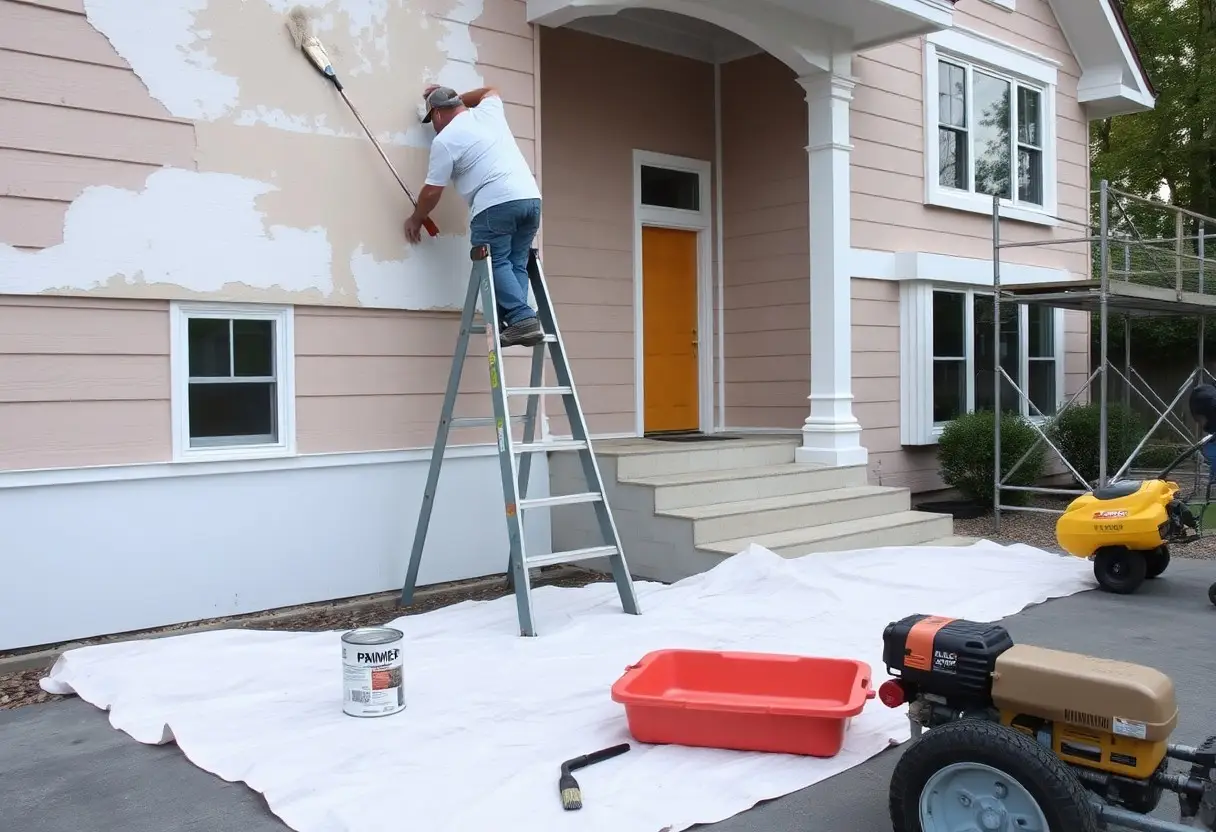

Painting your home’s exterior can transform its look, but skipping prep leads to peeling, mold, and costly repairs. You must clean, scrape, and repair surfaces before applying paint. Pressure washing removes dirt and mildew, while caulking seals gaps. Proper masking and priming ensure a smooth, long-lasting finish that withstands weather.
The Crucial Inspection
You start this step by scanning every inch of siding, trim, and corners. Hidden rot, cracks, or moisture damage often lurk beneath old paint-ignoring them guarantees premature failure. A screwdriver tap reveals soft wood others miss. Spotting these flaws now prevents costly repairs later. Your thoroughness here defines how long the new finish lasts.
The Labor of Scraping
You feel every inch of old paint resisting as you scrape, but this backbreaking work is what separates a lasting finish from a temporary cover-up. Loose, peeling layers hide moisture damage and compromise adhesion-ignoring them invites early failure. With steady hands and sharp tools, you expose the true surface beneath, creating a clean, solid foundation. This step isn’t glamorous, but it’s where real durability begins.
The Power of the Wash
You might underestimate what a thorough wash can do, but cleaning the surface removes dirt, grime, and chalky residue that sabotage paint adhesion. Without this step, you’re painting over enemies of durability. Mold, algae, and oil spots must be fully eliminated-any leftover contamination leads to premature peeling. A proper wash isn’t just rinsing; it’s targeted, methodical, and absolutely non-negotiable for lasting results.
The Sealing of Seams
You can’t overlook gaps where siding meets trim or around window frames-these are prime entry points for moisture. A steady hand with a quality exterior-grade caulk seals these seams tightly, preventing water intrusion that leads to rot and mold. Properly sealed joints also create a smoother paint surface, eliminating cracks that would otherwise telegraph through fresh paint. Don’t skip this step-hidden gaps become visible flaws within months if left untreated.
The Foundation of Primer
You might be tempted to skip primer, but doing so risks uneven coverage and poor paint adhesion. Primer seals porous surfaces, blocks stains, and creates a uniform base so your topcoat performs as intended. On exterior surfaces exposed to sun, moisture, and temperature swings, primer isn’t optional-it’s what keeps your paint job lasting for years. Choose the right type for your material, and apply it evenly for the strongest defense.
To wrap up
So you now know that a flawless exterior paint job starts long before the brush touches the surface. Proper cleaning, repairs, priming, and masking determine the final result. Skipping prep leads to peeling, uneven color, and wasted effort. You protect your investment by doing it right the first time, ensuring lasting beauty and durability through seasons of wear.
FAQ
Q: Why is surface preparation so important before painting the exterior of a house?
A: Paint only lasts as long as the surface it’s applied to. If the exterior walls have dirt, mildew, peeling paint, or loose material, the new paint won’t adhere properly. Over time, moisture can seep underneath, causing bubbling, cracking, or premature failure. Cleaning the surface, scraping away loose paint, sanding rough areas, and repairing damaged wood or siding ensures a smooth, stable base. This preparation helps the paint bond correctly and extends its lifespan, saving time and money on future repairs.
Q: What steps are involved in cleaning exterior surfaces before painting?
A: Power washing is the most effective way to remove dirt, grime, algae, and mildew from siding, trim, and masonry. It clears years of buildup that regular washing can’t handle. After power washing, the surface must dry completely-usually 24 to 48 hours depending on weather. In areas with heavy mildew, a bleach-and-water solution may be used before rinsing. Windows, doors, and landscaping are covered to protect them during cleaning. Spot cleaning with sandpaper or wire brushes handles stubborn residue or chalking on older paint.
Q: Do I need to repair damaged areas before painting, even if they seem small?
A: Yes. Even minor cracks, holes, or rotted wood can let in moisture, which leads to bigger problems down the line. Woodpecker holes, gaps around windows, or split boards need to be filled with exterior-grade wood filler or replaced entirely. Caulking is applied around trim, joints, and siding seams to prevent water intrusion. Metal flashing and gutters are checked and secured. These repairs create a uniform surface and protect the home’s structure. Skipping them risks paint failure and potential water damage inside the walls.