
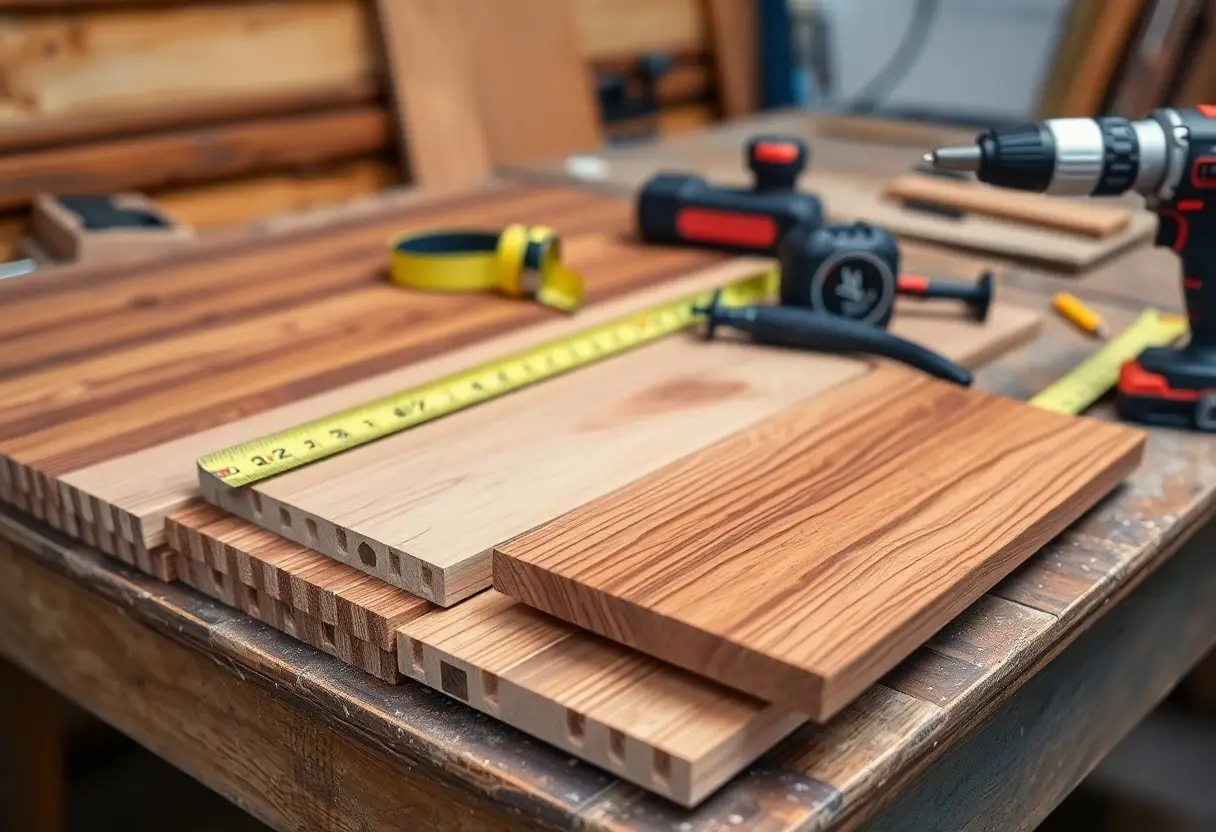

Materials determine how long your deck lasts and how much upkeep it needs. Pressure-treated wood offers affordability but requires sealing. Composite decking resists rot and insects with minimal maintenance. Cedar and redwood provide natural beauty but cost more. Exotic hardwoods last decades but pose environmental concerns. Choose based on your climate, budget, and style.
Pressure-Treated Pine
You’ll find pressure-treated pine to be one of the most budget-friendly options for your custom deck. It’s widely available and offers reliable performance when installed and maintained properly, making it a common choice for homeowners seeking durability without overspending.
Economy of the build
You save significantly on upfront costs with pressure-treated pine compared to hardwoods or composites. This material keeps your project within reach financially, especially for large decks, without sacrificing structural integrity when handled correctly.
Chemical defense against decay
Your deck stays protected from rot and insect damage thanks to preservative chemicals forced deep into the wood fibers during manufacturing. These treatments resist microbial breakdown, giving you extended service life even in damp conditions.
Modern pressure-treated pine uses alkaline copper quaternary (ACQ) or copper azole, both of which provide long-lasting protection against fungi and termites. The pressurization process ensures the chemicals penetrate evenly, shielding the core of each board-this means even cut ends should be treated to maintain full defense and prevent early failure.
Western Red Cedar
You’ll find Western Red Cedar stands out for its rich color and natural resistance to decay. Its lightweight structure makes it easy to work with, yet it holds up remarkably well over time. This wood weathers gracefully, developing a silvery patina that many homeowners love. With proper care, your deck can remain stable and beautiful for years.
Truth in the grain
Each board tells a story through its unique grain patterns, offering visual depth and character no synthetic material can replicate. You’ll notice subtle variations in tone and texture that bring warmth to your outdoor space. These natural imperfections aren’t flaws-they’re signatures of authenticity that enhance your deck’s charm.
Natural oils and endurance
Its built-in oils resist rot, insects, and moisture far better than untreated woods. You benefit from long-term protection without relying heavily on chemical sealants. This innate defense system extends your deck’s lifespan while reducing maintenance demands, especially in humid or rainy climates.
Those natural oils do more than just repel pests and water-they stabilize the wood’s cellular structure, minimizing warping and checking over time. You’ll see fewer cracks and splits compared to other softwoods exposed to the same conditions. Because the protection is inherent, not just surface-deep, even cut ends retain some resistance, giving you reliable performance across every inch of your deck.
Exotic Ipe
Exotic Ipe stands out for its dense grain and rich, chocolate-brown hue that ages beautifully over time. You’ll appreciate its natural resistance to rot, insects, and moisture, making it a top-tier choice for outdoor decks exposed to harsh elements. This hardwood withstands extreme weather without warping, ensuring lasting elegance and structural integrity season after season.
Strength of the ironwood
Density defines Ipe’s performance as ironwood. You’ll find it twice as hard as most hardwoods, resisting dents, scratches, and foot traffic with ease. Its exceptional strength means fewer structural issues over time, reducing maintenance and replacement costs in the long run.
Longevity under the sun
Sunlight degrades most woods, but Ipe thrives under UV exposure. You benefit from its natural oils and tight grain, which prevent fading and surface breakdown. With minimal upkeep, your deck retains its integrity for decades, even in intense climates.
Unlike softer materials that gray and splinter within years, Ipe’s cellular structure resists solar damage at a microscopic level. You’ll notice how it maintains color and texture far longer, requiring only occasional cleaning to look pristine. Properly installed, an Ipe deck can last 40 years or more in full sun, outperforming even premium composites in durability and appearance.
Composite Boards
You’ll find composite boards blend durability with low upkeep, making them a top pick for custom decks. These materials resist rot, warping, and insect damage far better than traditional wood. With realistic grain textures and a range of colors, they offer long-term beauty without the maintenance burden.
Mix of fiber and grit
Modern composite boards combine wood fibers and recycled plastic to form a dense, weather-resistant material. This blend prevents moisture absorption and reduces the risk of swelling or cracking. The inclusion of grit in some formulations enhances surface traction, delivering a safer, more durable walking surface in wet conditions.
Freedom from the brush
You won’t need to stain or seal your deck each year. Composite boards are designed to retain their color and finish, freeing you from seasonal maintenance. This means no more sanding, sealing, or scrubbing-just occasional cleaning with soap and water keeps them looking fresh.
Skipping the annual refinishing ritual saves you time, money, and physical effort. Most composite decking comes with fade and stain warranties lasting 25 years or more, so your deck maintains its appearance even under harsh sun or heavy use. You’re not just simplifying upkeep-you’re investing in lasting visual consistency and structural integrity without lifting a paintbrush.
Cellular PVC
You’ll find cellular PVC stands out for its engineered composition that resists rot, insects, and warping. This synthetic material mimics wood’s appearance without the upkeep, making it a smart long-term choice for custom decks exposed to harsh weather.
Mastery over moisture
Water won’t penetrate cellular PVC, which means no swelling, cracking, or rotting over time. You’re protected from mold and mildew, even in damp climates or shaded areas where moisture lingers longer.
Stability in the heat
Direct sunlight won’t warp or degrade cellular PVC like it can with wood or composite. The material maintains its shape and color, offering reliable performance even during prolonged exposure to high temperatures.
Heat resistance in cellular PVC comes from its closed-cell structure, which limits thermal expansion. Unlike lesser materials that buckle or twist under sun exposure, this decking holds its form, ensuring your deck surface remains smooth, safe, and dimensionally stable year after year-even in hot, sun-drenched environments.
Aluminum Decking
You’ll find aluminum decking stands out for its durability and low maintenance. It resists rust, won’t warp or crack like wood, and handles moisture with ease. Perfect for coastal areas, it withstands salt air without corroding, giving you long-term performance with minimal upkeep.
Weight of the metal
Aluminum is surprisingly light compared to steel or concrete. This makes it easier to handle during installation and reduces stress on your home’s foundation. Its lightweight nature allows for use on upper-level structures where heavier materials might pose a risk.
Fire and the frame
Your safety improves with aluminum’s non-combustible frame. It won’t fuel flames and meets strict fire codes in wildfire-prone areas. The material’s fire-resistant properties protect structural integrity when other materials might fail.
When fire threatens, aluminum’s high melting point-around 1,200°F-gives you added time. Unlike wood or composite, it doesn’t ignite or emit toxic fumes. This inherent resistance makes it a smart choice for decks near open flames or in dry climates where fire risk is elevated.
Final Words
So you now know the best materials for your custom deck: pressure-treated wood offers affordability and reliability, composite stands out with low maintenance and durability, and hardwoods like ipe deliver timeless beauty and strength. Your climate, budget, and lifestyle determine the ideal choice. Choose wisely, and your deck will serve you well for years.
FAQ
Q: What are the most durable materials for a custom deck?
A: Composite decking and pressure-treated lumber are among the most durable options. Composite decking resists rot, insects, and warping, making it ideal for wet or humid climates. It’s made from a blend of wood fibers and plastic, offering the look of real wood with far less maintenance. Pressure-treated lumber is another strong contender, especially when properly sealed and maintained. It withstands moisture and pests well and is often used as a structural base even under composite surfaces. Both materials can last 25 years or more with regular care.
Q: Is hardwood like ipe a good choice for a custom deck?
A: Ipe and other hardwoods like cumaru or massaranduba offer exceptional strength and a rich, natural appearance. These tropical hardwoods are naturally dense, which makes them resistant to decay, scratches, and insect damage. They can last 30 to 40 years with proper installation and maintenance. However, they are more expensive than other materials and require pre-drilling for fasteners to prevent splitting. Over time, untreated hardwoods will develop a silvery-gray patina, which some homeowners prefer. If you want to preserve the original color, periodic sealing is necessary.
Q: How do PVC and aluminum decks compare to wood and composite?
A: PVC decking is 100% synthetic, so it won’t rot, splinter, or absorb moisture. It’s easy to clean and maintain, often requiring just soap and water. While early versions had issues with color fading and a plastic-like appearance, modern PVC boards come in realistic wood-grain textures and fade-resistant finishes. Aluminum decking is less common but offers extreme durability and is completely immune to rot, insects, and fire. It’s lightweight and often used in coastal or high-moisture areas. Unlike wood or composite, aluminum doesn’t expand or contract with temperature changes. Both materials cost more upfront but can save money over time due to minimal maintenance needs.