
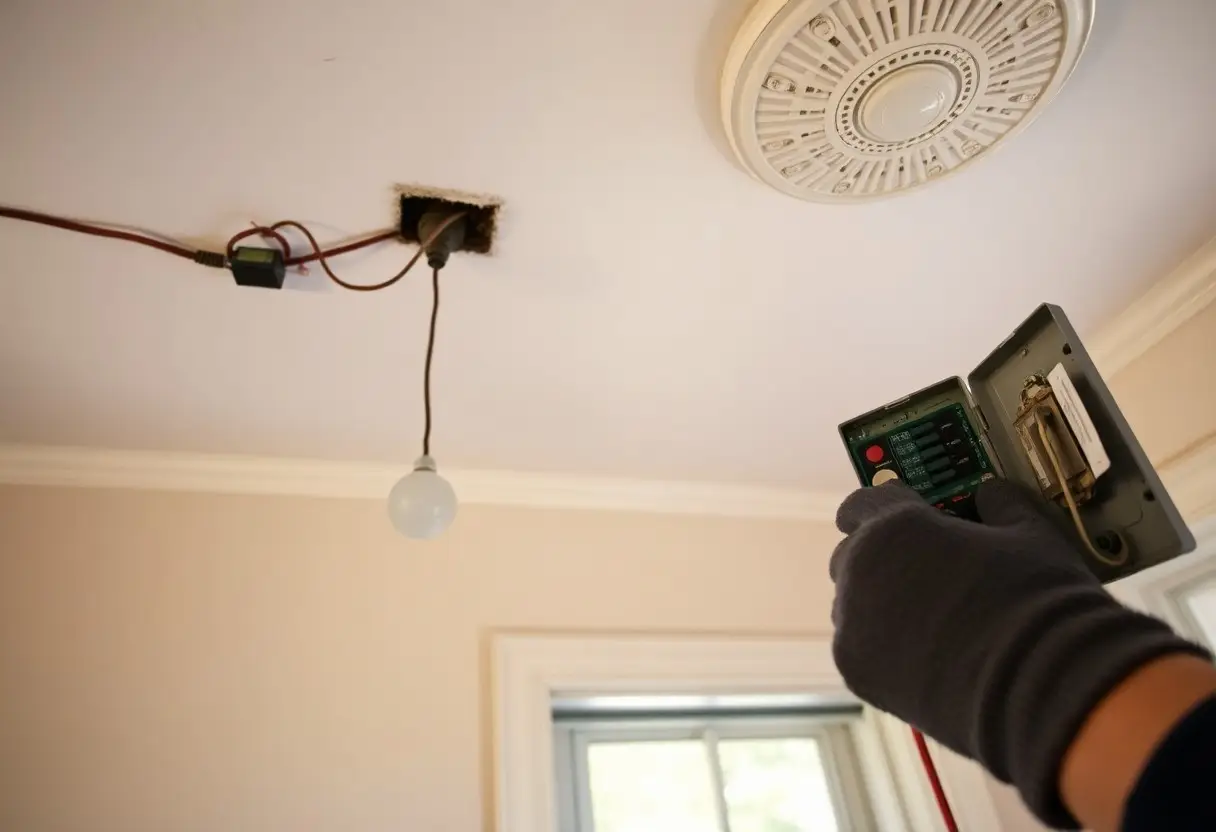

It’s common for older homes in Davenport to have outdated wiring that increases fire and shock risk, so you should inspect outlets, cords, and panels for frayed insulation or aluminum wiring. Have a licensed electrician perform a professional inspection, install GFCIs, replace obsolete two-prong outlets, and upgrade breakers where needed. Taking these steps reduces hazards and protects your home and family while ensuring your electrical system meets current safety standards.
Understanding Older Home Electrical Systems
Common wiring types (knob‑and‑tube, cloth‑insulated, aluminum)
You often find three legacy systems in Davenport houses: knob‑and‑tube, cloth‑insulated, and aluminum, each with distinct failure modes. Knob‑and‑tube (1880s-1940s) lacks grounding and uses single insulated conductors; cloth‑insulated wiring (common through the 1950s-1960s) becomes brittle and frays; aluminum wiring (mid‑1960s-1970s) experiences thermal cycling and loose terminations that lead to arcing. Inspectors regularly document overloaded circuits and improper copper‑to‑aluminum splices. After you hire a licensed electrician for inspection, prioritize upgrades where insulation is brittle or terminations show overheating.
| Knob‑and‑tube | Used 1880s-1940s; no grounding, 10-20A typical circuits, risky where insulation contacts framing or insulation |
| Cloth‑insulated | Common through 1950s-1960s; fabric over rubber insulation becomes brittle after 50+ years and can expose conductors |
| Aluminum | Installed mid‑1960s-1970s; thermal expansion and oxidation at terminals cause arcing and higher failure rates if unrepaired |
| Typical issues | Deteriorated insulation, ungrounded outlets, overloaded circuits, DIY splices, and loose terminations |
| Recommended action | Infrared scan, targeted replacement or retrofit, use proper aluminum connectors or COPALUM crimps, install AFCI/GFCI protection |
- Knob‑and‑tube
- Cloth‑insulated
- Aluminum
Age‑related deterioration and typical failure points
Over decades insulation and connections degrade: rubber and cloth commonly become brittle after 50-70 years, copper corrodes, and aluminum terminations loosen. You may observe flickering lights, warm outlet covers, discolored plates, or a burning odor, all signs of failing components. Homes built before 1990 often lack AFCI/GFCI protection, increasing risk for shock and fire. If you see any of these indicators, arrange a professional evaluation promptly.
Thermal imaging frequently reveals hotspots 10-20°F above surrounding wiring at loose or corroded terminations, so you should expect degraded splices and amateur repairs in homes older than 60 years. For aluminum wiring, electricians commonly use COPALUM crimp repairs or UL‑listed AlumiConn connectors to mitigate arcing rather than simple twist‑on connectors. If knob‑and‑tube remains isolated and avoids contact with insulation, some electricians permit limited use, but most recommend replacement or circuit isolation plus added grounding and AFCI/GFCI protection.
Identifying Hazards in Davenport Homes
In older Davenport houses you’re likely to find ungrounded two‑prong outlets, panels with fused circuits or old breakers, and wiring types like knob‑and‑tube (pre‑1950s) or aluminum wiring (common in 1960s-1970s) that raise fire risk. You should also watch for drywall stains, persistent musty odors, and recurrent pest activity-these often signal hidden moisture or chewed insulation that can short circuits and accelerate corrosion.
Signs of overload, scorching, and frequent breaker trips
If outlets or faceplates feel warm, you see scorch marks, smell burning, or lights flicker when appliances run, those are clear overload indicators. Frequent breaker trips-more than once or twice monthly-or fuses blowing when you run the washer and HVAC together point to a circuit that’s undersized or damaged; label checks and load calculations by an electrician often reveal circuits carrying >80% of their rated load.
Outdoor, moisture, and weather‑related risks local to Davenport
Your exterior systems face spring storms, river‑flood plains, and high summer humidity; these drive moisture into garages, basements, and outdoor outlets. Saturated basements and corroded exterior outlets increase shock and short risks, so you should use GFCI‑protected, wet‑location fixtures, sealed covers, and inspect buried conduits after heavy rains or freeze‑thaw cycles.
Pay attention to sump pump failure during prolonged rain events-loss of the pump can immerse basement outlets and panels, creating immediate danger. You should test GFCIs monthly, keep the service panel elevated above known flood levels, and consider a licensed electrician installing a whole‑house surge protector and replacing corroded outdoor wiring; these steps reduce damage from lightning, utility surges, and seasonal flooding.
Essential Safety Upgrades
When you tackle older-home electrical work, prioritize fixes that cut fire and shock hazards immediately. Start by assessing service capacity – many pre-1950s Davenport homes still have 60A fuse panels that can’t handle modern loads – and plan upgrades to 100-200A service where needed. You should also budget for AFCI/GFCI protection and a licensed inspection (typically $100-$200) to identify hidden risks like deteriorated insulation or shared neutrals.
Service panel upgrades; AFCI and GFCI installations
If your panel is a known troublemaker (Federal Pacific, Zinsco) or is over 40-50 years old, you should replace it; those models have documented failure-to-trip problems that increase fire risk. AFCIs detect dangerous arcing and are required in most living spaces, while GFCIs trip at about 5 mA leakage to prevent deadly shocks in kitchens, bathrooms, garages, and outdoors. You should have a licensed electrician install combination AFCI/GFCI breakers where code or conditions demand extra protection.
Rewiring priorities, grounding, and outlet improvements
Begin rewiring with high-demand and high-risk circuits: kitchen, bathroom, laundry, HVAC, and any outlets showing heat or discoloration. You should replace knob-and-tube or cloth-insulated wiring and address aluminum branch circuits (common 1965-1974) with COPALUM or AlumiConn repairs or full replacement. Upgrade two-prong outlets only if you add a proper ground or protect them with a GFCI labeled “No Equipment Ground,” and install tamper-resistant receptacles where children live.
Signs you need immediate rewiring include recurrent breaker trips, flickering lights, warm switches, and outlets with burn marks; in those cases you should prioritize replacing shared-neutral multi-wire branch circuits and installing a dedicated 20A kitchen countertop circuit and a properly grounded 50A dryer circuit if appliances require it. Testing with a simple outlet tester can show open grounds, but correcting them usually requires either running a new grounding conductor back to the panel or reconfiguring circuits-both jobs for a licensed electrician.
Appliance and Load Management
You should prioritize how major appliances draw power in older homes: assign high‑draw devices to dedicated circuits, stagger operation times for ovens, dryers and HVAC, and upgrade outlets where you get frequent trips. Typical modern appliances-clothes dryers (30 A), electric ranges (40-50 A) and central AC (30-60 A)-need proper wiring; using them on undersized or shared circuits increases overheating and fire risk.
Safe use of major appliances and heating equipment
You must plug major appliances into properly rated outlets and avoid adapters that defeat grounding. Have your dryer, range and HVAC on their factory‑recommended circuits, get gas furnaces and water heaters vented and serviced annually, and inspect cords for frays or overheating. If you see a scorched outlet or smell burning when a device runs, cut power and call a licensed electrician immediately.
Avoiding extension‑cord dependency and balancing circuit loads
You should stop relying on extension cords for permanent power and avoid running high‑wattage devices through them; space heaters (1,500 W) alone draw ~12.5 A, near the limit of a 15 A circuit. Use dedicated outlets for microwaves, toasters and hair dryers, spread appliance use across circuits, and replace strips with properly installed outlets or additional circuits rather than daisy‑chaining cords.
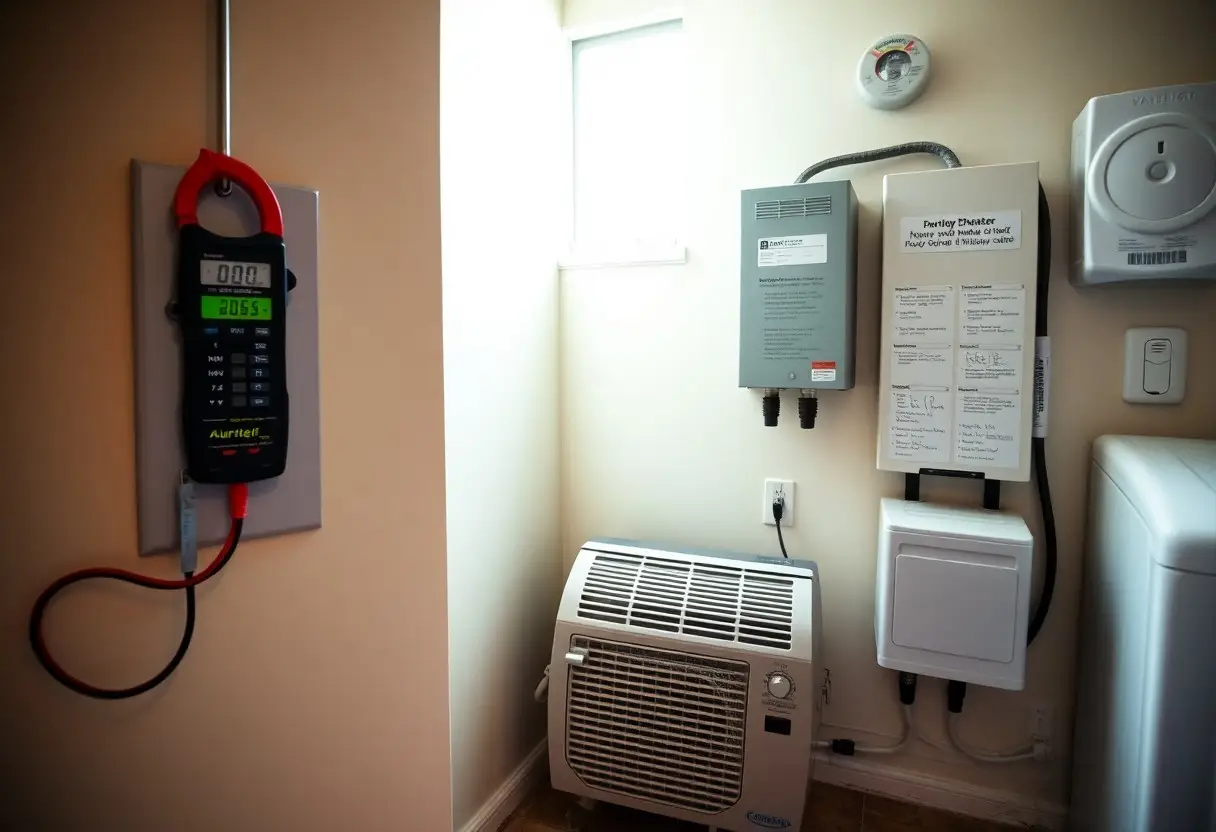
To balance loads, map your breaker panel and label which outlets each circuit serves, then distribute heavy loads-microwave (~1,000 W), toaster (1,200-1,500 W), coffee maker (800-1,200 W)-so no single 15 A circuit exceeds 80% of its rating for continuous use (about 12 A). Use a clamp meter or have an electrician measure peak draws; if common areas overload, install a new 20 A circuit or dedicated lines for refrigerators, ovens and entertainment centers.
DIY vs Professional Work
You can handle simple tasks like replacing a 15A or 20A receptacle, swapping switches, or testing GFCIs with a multimeter, but stop and call a pro when you encounter burnt insulation, aluminum wiring, or anything near the service panel-those conditions carry high risk of electrocution or fire. Examples: replacing a cracked cover plate is DIY; installing a new 240V circuit or upgrading to a 200‑amp service is not.
When to call a licensed Davenport electrician
Hire a licensed Davenport electrician for service upgrades, knob‑and‑tube removal, or persistent issues like frequent breaker trips, flickering lights, or a burning odor-signs of failing conductors. If your home predates 1950 or you have ungrounded two‑prong outlets, you should get a professional evaluation; studies show older wiring raises fire risk substantially, and a pro can recommend a 100→200‑amp upgrade or targeted circuit replacements safely.
Permits, inspections, and recordkeeping
Permits are usually required for new circuits, panel changes, major rewiring, or moving service equipment, and work typically needs both rough and final inspections to confirm compliance with the NEC as adopted locally. Keep copies of permits, inspection reports, and contractor receipts: insurers and future buyers will want proof that the work passed inspection and was completed by a licensed electrician.
When you apply through Davenport’s building department, expect the inspector to verify proper grounding and bonding, correct breaker sizing, and required GFCI/AFCI protection in kitchens, bathrooms, garages, and bedrooms. Contractors often schedule inspections after rough‑in and again at completion; keeping a folder with permit numbers and signed inspection forms speeds resale and helps with insurance claims if problems arise.
Emergency Preparedness & Routine Maintenance
You should keep a labeled breaker panel, an emergency kit with flashlight and charged power bank, a three-day supply of water/meds, and a printed list of your electrician and utility contacts. For Davenport homes built before 1970, schedule a licensed electrician inspection every 3-5 years or after renovations. Test GFCI outlets monthly and replace smoke alarms every 10 years. If you use a generator, run it outside and connect via a transfer switch to prevent dangerous backfeed to line workers.
Electrical safety checklist and scheduled inspections
Your checklist should include testing outlets for grounding, looking for knob-and-tube or aluminum wiring, tightening loose connections, noting scorched outlets or buzzing panels, and confirming AFCI/GFCI protection where required. Schedule a professional inspection after buying a home, before major remodels, or every 3-5 years for houses over 40 years old. If breakers trip repeatedly or faceplates are warm, stop using that circuit and book a licensed electrician immediately.
What to do during an electrical fire, shock, or outage
During an electrical fire, do not use water; shut off power at the main if you can safely access it, extinguish with an ABC/Class C extinguisher, evacuate, and call 911. If you or someone is shocked, avoid touching the person while the source is live, turn off the power, and call emergency services-begin CPR only if you are trained. For outages, unplug sensitive electronics, keep refrigerator doors closed, and run generators outside with a transfer switch to avoid backfeed.
If you can’t cut power and someone remains in contact, push a dry wooden broom or other non-conductive object between the victim and the source-do not use metal. Stop using any appliance or circuit that trips repeatedly and arrange an electrician within 24-48 hours. Fires in older homes often stem from overloaded cords, space heaters, or deteriorated insulation; place generators at least 20 feet from openings and document damage for your insurance and utility reports.
Conclusion
From above you should prioritize a professional inspection, update outdated wiring and panels, install GFCI/AFCI protection, ensure proper grounding and surge protection, avoid overloaded circuits and damaged cords, keep wiring dry, and use licensed electricians with permits for upgrades. These steps help protect your family, property, and investment in older Davenport homes while complying with local codes.