
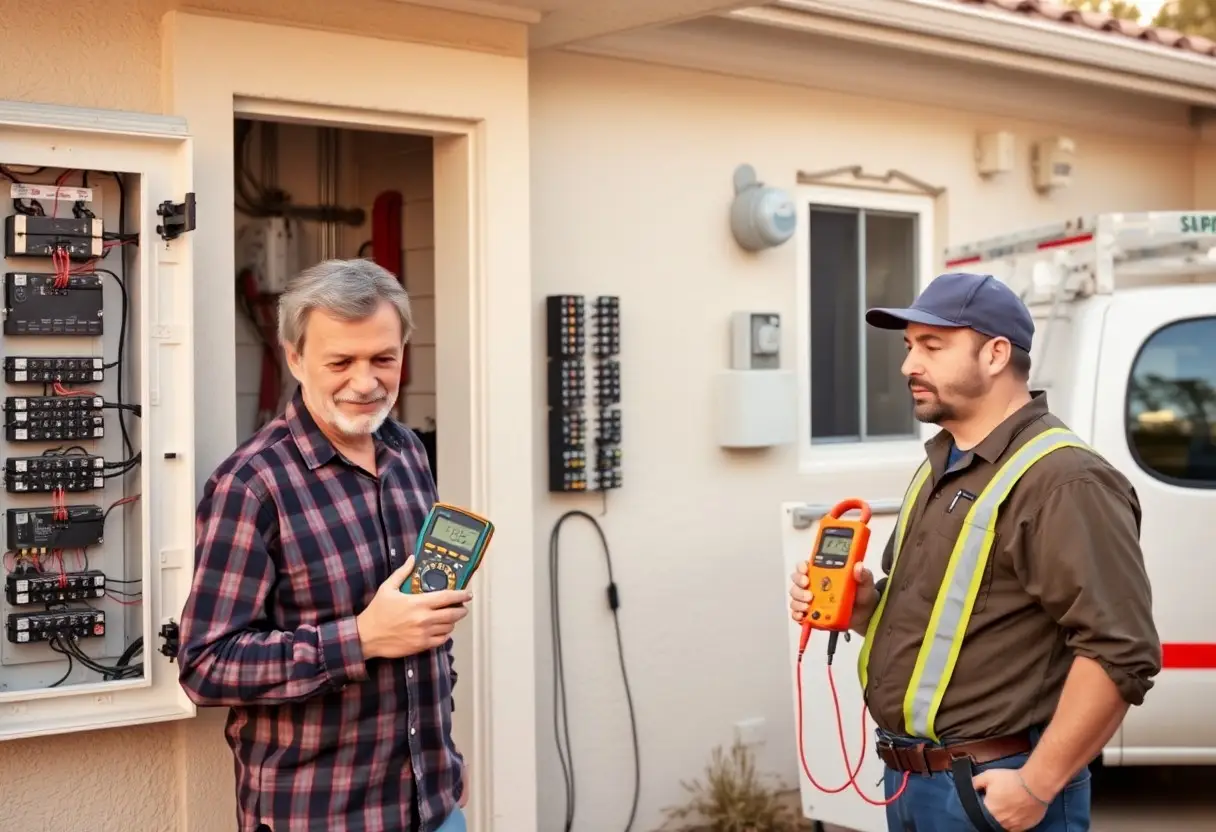

Over time, small electrical issues can become serious hazards in Silvis homes, so you should perform regular checks of outlets, cords, and panels; identifying frayed wiring or overloaded circuits early reduces shock or fire risk and lets you take action like resetting breakers, replacing damaged cords, or scheduling a professional inspection. Simple habits help you save money and keep your family safe-and always turn off power before DIY work and call a licensed electrician for complex repairs.
Basic Safety Checks
You should perform basic safety checks every 6-12 months: scan outlets and switches for damage, test GFCIs monthly, and inspect the breaker panel for tripped or warm breakers. Using a receptacle tester ($10-$20) helps verify wiring and grounding, while noting any warm outlets, sparks, or burning smells signals you must call an electrician immediately.
Inspect outlets and switches for damage
When you inspect outlets, look for cracked faceplates, loose sockets, or discoloration that indicates heat or arcing. Test three-prong outlets with a plug-in tester to confirm grounding and avoid using outlets with exposed wiring or that feel warm to the touch. If you find melting, buzzing, or intermittent power, stop using that circuit and contact a professional.
Test GFCIs and grounding
You should press the GFCI’s “Test” and “Reset” buttons monthly to ensure it trips and restores power; a working GFCI typically trips at about 5 mA. Use a GFCI/receptacle tester to check correct polarity and ground integrity, and mark any mis wired or ungrounded outlets for repair.
GFCIs are commonly installed in kitchens, bathrooms, garages, outdoor receptacles, and basements to protect against ground faults. If a GFCI won’t reset or trips repeatedly, that indicates a persistent ground fault or failing device-unplug appliances and call an electrician. Also verify which outlets a single GFCI protects, since one device can control several downstream receptacles.
Check your circuit breaker panel
You should inspect the panel for clean labeling, rust, or water intrusion and look for breakers that are warm, scorched, or frequently tripping. Typical main breaker ratings are between 100-200 amps; avoid double-tapping breakers unless they’re rated for it. Do not touch bus bars or exposed terminals-shutdown and call a pro for internal inspections.
For deeper checks, have an electrician perform an annual inspection and infrared scan to spot hot connections before failure. Breakers older than ~20 years, persistent nuisance trips, visible arcing, or a burning odor are signs you need immediate professional intervention to prevent fire or equipment damage.
Routine Home Electrical Maintenance
Each month you should inspect outlets, switches and the breaker panel for warmth, buzzing or burning smell. Test GFCI and AFCI devices monthly and label circuits so you can isolate faults quickly. Replace smoke/CO detector batteries twice a year and keep insulated tools and a non‑contact voltage tester in your kit. These simple checks reduce the chance of shock or fire.
Replace bulbs and clean fixtures safely
Always shut power off and let bulbs cool before handling; for a 60W incandescent choose a 9-12W LED equivalent to save about 80% energy. Use a stable ladder, insulated gloves for metal fixtures, and a damp microfiber for dust-never spray cleaners directly into fixtures. Match bulb base size and fixture wattage rating, and avoid changing bulbs with wet hands to prevent electrical shock.
Secure loose connections and cover plates
If a switch wobbles or a receptacle sits recessed, turn off the breaker before tightening mounting screws and refastening the cover plate. Replace cracked plates and damaged receptacles to avoid exposed conductors; keep screws snug but not over‑torqued since loose connections produce heat and raise the risk of fire.
Check for buzzing, discoloration, burn marks or a persistent odor-these signs often mean arcing or a loose neutral on a 120V circuit and need prompt action. Use a non‑contact tester to verify power is off, then inspect wire terminations for looseness or corrosion. If you find blackened insulation, melted plastic, or cannot seat wires securely, stop and call a licensed electrician rather than attempting complex repairs yourself.
Maintain cords and appliance plugs
Routinely examine cords for cuts, fraying, melted spots or bent prongs; always unplug before inspecting and avoid running cords under rugs or through doorways. Replace cords with exposed wires or burn marks and use certified replacements rated for the appliance. After heavy use of space heaters or generators, inspect cords to reduce fire risk.
Choose UL‑listed cords sized to the load: 16 AWG for lamps and small electronics, 14 AWG for longer runs or up to 15A tools, and 12 AWG for heavy appliances. Never use a lighter gauge for a high‑current device-overheating can occur. If grounding prongs are damaged or plug blades are loose, replace the cord or have the appliance serviced by a professional.
Troubleshooting Common Issues
When you encounter electrical faults, isolate affected circuits and note timing, appliance use, and odors to pinpoint causes quickly. Older Silvis homes often show aging wiring or shared neutrals that create intermittent faults; using a multimeter or clamp meter can reveal voltage drop or excessive current. If you observe sparking, burning smells, warm outlets, or repeated trips, shut off the circuit and contact a licensed electrician immediately.
Flickering lights and dimming causes
Often a loose bulb or poor fixture contact causes a single light to flicker, but whole-room or whole-house dimming usually signals voltage drop, a failing neutral, or heavy inrush from appliances like HVAC compressors. You should check bulbs and switches first; if lights dip below 110-115V on a 120V circuit when an appliance starts, that indicates a load or wiring issue needing professional measurement and repair.
Repeatedly tripping breakers and overloads
When breakers trip repeatedly, identify the device or time causing the event-space heaters, microwaves, or multiple devices on a single 15A/20A run are common culprits. Aging breakers, loose panel connections, or ground faults can also trip; if you notice a burning smell, arcing, or a warm panel, switch off the circuit and call an electrician. Never replace a breaker with a higher-amp unit to stop tripping.
To dig deeper, unplug devices on the tripping circuit, reset the breaker, and measure running amps with a clamp meter-continuous loads should stay under 80% of breaker rating (≈12A on 15A, 16A on 20A). Label the circuit and add loads systematically to reproduce the fault; if trips persist or you find loose wiring or charred insulation, schedule a licensed inspection and consider dedicated circuits or AFCI/GFCI protection instead of temporary fixes.
When to Call a Professional
If you notice persistent problems-frequent breaker trips (more than twice a week), outlets that spark, or appliances giving you a shock-you should call a licensed electrician. Some simple tasks like replacing a faceplate are DIY, but repeated tripping, exposed wiring, persistent arcing, or any service upgrade (60A, 100A, 200A) require professional assessment to prevent fire and code violations.
Signs of electrical hazard (sparks, burning smells)
Sparks from an outlet, a burning or melting plastic smell, or visible black scorch marks are immediate hazards; shut off the circuit if safe and contact a pro. Flickering lights under load, breakers that trip repeatedly, and a tingling sensation when touching appliances are also red flags for arcing or overloaded circuits that can lead to house fires.
Permits, major repairs, and code compliance
Major work-panel replacements, service upgrades, whole‑house rewires, fixed generator or EV charger installations-generally requires permits and inspections. Hire a licensed electrician who will pull permits and follow the National Electrical Code and local Silvis/Rock Island County rules; unpermitted work can result in failed inspections and insurance claim denials.
Start by contacting the Silvis building department or Rock Island County to confirm permit needs and timelines; many electricians handle permit applications for you. Typical permit fees often run around $50-$200, and inspections are usually scheduled within 2-10 business days. Keep permit records and inspection reports for resale, warranties, and insurance documentation.
Energy-Saving and Practical Upgrades
LED lighting, smart controls, and timers
Switching a 60W incandescent to an 8-12W LED cuts lighting energy by roughly 80-85%, and most LEDs now last 15,000-50,000 hours. You can pair bulbs with smart switches or bulbs ($30-60 for a switch, $3-15 per bulb) to set schedules, geofencing, and dimming. Motion sensors and timers often reduce runtime by 20-60% in garages, porches, and basements, lowering bills and extending bulb life while giving you programmable convenience.
Surge protection and panel/upgrade considerations
Install a whole-home surge protector at the main panel (Type 1/2, typically $150-$400 installed) and use point-of-use surge strips for TVs and computers to defend sensitive gear; without them a lightning-induced surge can destroy electronics. If breakers trip frequently or your service is 100A and you plan an EV charger or new HVAC, panel capacity and condition should be evaluated-older panels can be overloaded and pose a fire risk.
When you assess upgrades, get a licensed electrician to check service size (100A vs 200A), conductor condition (aluminum vs copper), and for dangerous panels like Federal Pacific or Zinsco which have documented failures. Typical panel upgrades run about $1,500-$3,500, while adding a whole-home surge protector is much cheaper; a recent Silvis homeowner avoided a $2,000 appliance loss after a storm because they had both a 200A panel and a surge device in place.
Summing up
Considering all points you can protect your Silvis home by following simple electrical maintenance steps: schedule professional inspections, replace damaged cords and outlets, test GFCIs, keep panels clear, and use surge protection; these actions help prevent hazards, reduce repair costs, and extend appliance life while ensuring your system meets local codes.