
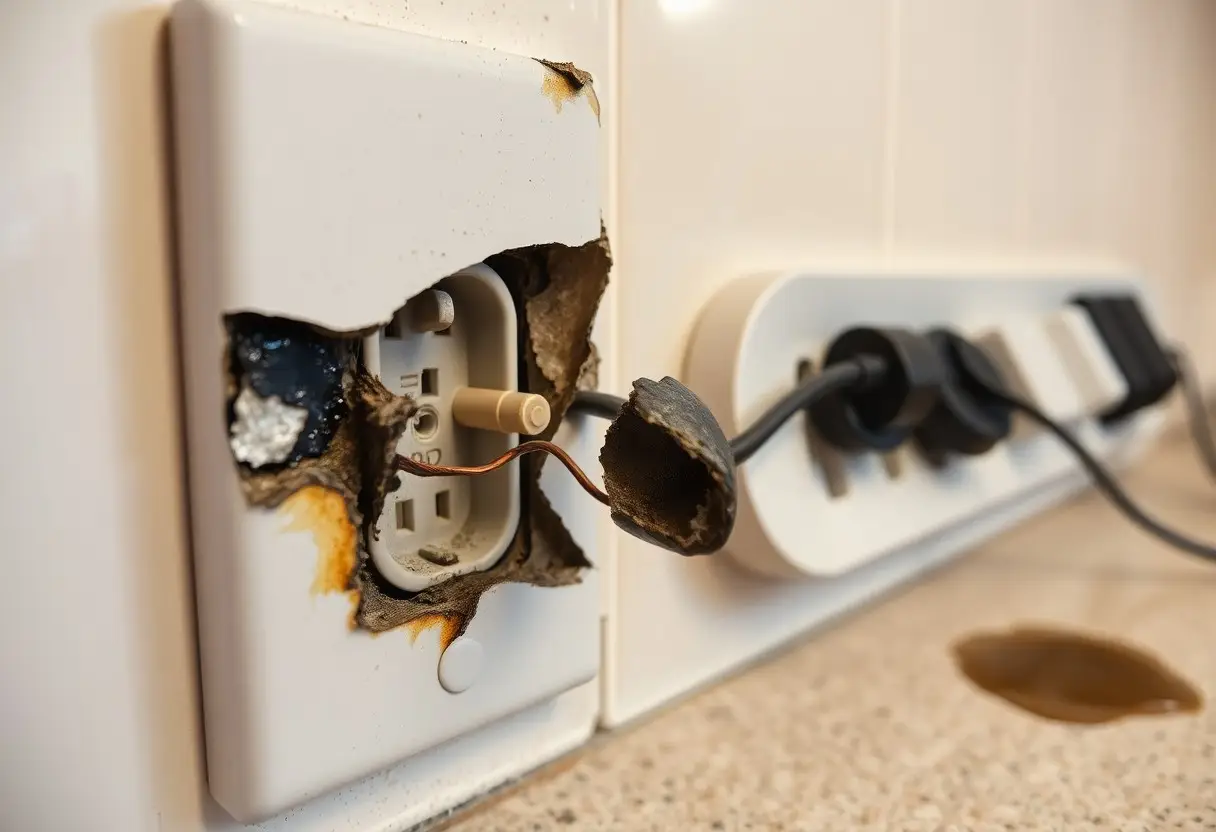

Just because an outlet looks fine doesn’t mean it’s safe for your devices; you should watch for sparks, a burning smell, warm or discolored faceplates, repeated trips or shocks, or loose plugs that wiggle. Test outlets with a receptacle tester and confirm the circuit is properly grounded and connections are snug; if you find any of these signs, stop using the outlet and consult a qualified electrician immediately.
How to Inspect an Outlet (how-to)
Begin with a visual sweep, then perform basic physical checks: use a flashlight and a non-contact voltage tester to confirm power state before touching, and plug a known-good lamp to assess fit and heat. If you find burn marks, melted plastic, a persistent burning smell, or the outlet is warm to the touch, shut off the breaker and arrange for professional repair-these are signs of internal arcing or overloaded wiring.
Visual signs to look for: cracks, discoloration, burn marks
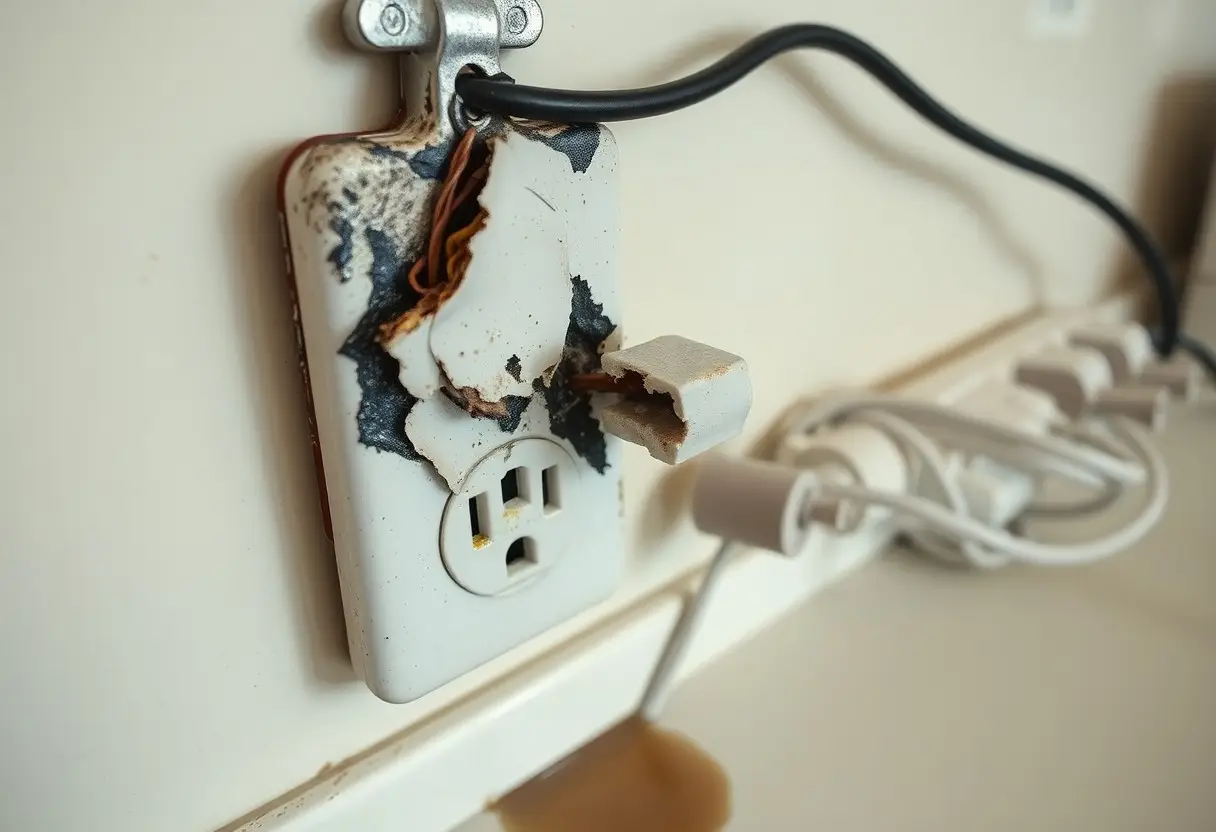
Spot hairline cracks in the faceplate, brown or black discoloration around the slots, or glossy melted plastic; each indicates overheating or arcing. You should also watch for soot trails behind the plate or a persistent burning odor. Even small chips that expose inner insulation increase fire risk and mean the outlet needs replacement or inspection by a pro.
Physical checks: loose receptacles, wobbling covers, plug fit
Gently insert and wiggle a plug to see if it fits snugly-if it falls out or moves, contacts are likely worn. Try tugging on the faceplate; any wobble indicates loose mounting or stripped screws, which raise resistance and can cause arcing. A properly installed outlet sits flush against the wall and holds a plug firmly without movement.
When you find movement, note the extent: visible play of more than a few millimeters or an outlet that pulls out of the box when you remove a plug signals failing mounts or damaged internal contacts. Tightening the mounting screws can help but only after you turn off the breaker; if wires are exposed, terminals are charred, or the receptacle still moves, do not reuse it-call a licensed electrician, since loose connections are a common cause of electrical fires and dangerous arcing.
Common Warning Signs and Immediate Actions
When you notice a burning odor, hot or discolored faceplate, visible charring, frequent breaker trips, or outlets that feel loose, act fast: unplug devices, turn off the circuit breaker supplying the outlet, and avoid using extension cords. If you see smoke or flames, evacuate and call 911. Repeated breaker trips or continuous loads above 80% of the breaker rating (for example, over 12 A on a 15 A circuit) mean you should stop resetting the breaker and contact a licensed electrician within 24 hours.
Odors, heat, sparks, and tripping breakers – how-to respond
If you detect a burning smell, a warm or hot faceplate, or visible sparks, stop using the outlet immediately. Unplug devices without touching metal prongs, then shut off the breaker and avoid flipping it back until the cause is diagnosed. Sparks or heat often indicate a loose connection or short, and repeated breaker trips-more than one reset-suggest an overload or wiring fault; call a licensed electrician and, if you see smoke, call 911.
Audible and tactile cues: buzzing, arcing, intermittent power
Buzzing, crackling, or a popping sensation when you touch a plug points to loose wires or failing connections; these are signs of arcing, which creates intense heat. If power cuts in and out when you move the plug, stop using the outlet and turn off the circuit-do not keep relying on a loose connection. Schedule an electrician inspection promptly; many arc problems are fixed by tightening terminals or replacing the receptacle.
If you hear buzzing, it often comes from a loose terminal or overloaded neutral; an electrician will pull the outlet, test for voltage fluctuation, and use a thermal camera-hot spots confirm resistance heating. In older homes with aluminum wiring you may see oxidation at terminations requiring CO/AL-rated connectors. Replacing the receptacle, tightening screws, and installing an AFCI or GFCI can stop arcing. If you suspect arcing, cut power and call a pro; continuing to use the outlet raises fire risk.
Factors That Make an Outlet Unsafe
Wear, wiring errors, and environmental exposure each increase an outlet’s risk: outlets over 20-30 years often lose grounding and develop brittle insulation, overloaded circuits exceed a 15‑amp rating and heat connections, and moisture causes corrosion and shorts in bathrooms or outdoors. You might see buzzing, flicker, or a warm faceplate-signs of immediate danger. Recognizing these specific failures helps you decide when to stop using an outlet and call a professional.
- Age, wear, degraded components
- Overloading
- Improper wiring
- Moisture exposure
- Loose or sparking outlets
- Missing GFCI/AFCI protection
Age, wear, and degraded components
Parts hardened by heat and time fail: sockets older than 20-30 years commonly show loose contacts, cracked housings, or oxidized terminals that raise resistance and generate heat. You may notice a warm or discolored faceplate, intermittent connection, or a plug that wobbles-each increases fire risk. Replacing a worn receptacle costs $3-$15 for the part, but hidden wiring damage can raise labor costs; when you see these signs, stop using the outlet and get an electrician to inspect your circuit.
Overloading, improper wiring, and moisture exposure
Overloading a circuit by running multiple high‑draw devices on a single 15‑amp line-space heaters or hair dryers at ~1,500 W each-creates heat buildup and nuisance trips. Improper wiring like reversed polarity, shared neutrals, or loose connections produces shock and fire hazards, while moisture near sinks or outdoors causes corrosion and short circuits. If an outlet frequently trips, buzzes, or sparks, stop using it and arrange a professional inspection.
Follow the 80% rule to avoid continuous loads above ~12 A on a 15‑amp circuit; a 1,500 W heater (~12.5 A) plus other devices easily exceed safe limits. Shared or open neutrals can cause voltage swings that damage appliances, and wet outlets often show green corrosion, charred insulation, or a persistent burning smell-clear signs of arcing. You should move heavy appliances to dedicated 20‑amp circuits, install GFCI/AFCI protection where required, and have a licensed electrician correct wiring faults and test grounding.
How to Safely Test an Outlet (how-to)
When testing an outlet you should proceed methodically: use a non-contact voltage tester to confirm live status, then a plug-in tester or multimeter. If you see sparks, melted plastic, or hear buzzing, stop and switch off the breaker immediately. Wear insulated gloves and eye protection when probing. If the tester shows any wiring faults or voltage outside the expected range, mark the outlet as unsafe and avoid use until a qualified electrician repairs it.
Using a plug-in receptacle tester: steps and interpretation
You plug the tester firmly upright, then compare the light pattern to the included chart and interpret codes like “open ground”, “open neutral”, or “reverse polarity”. Many testers simulate a load to trip a GFCI-press the tester’s test button on a nearby GFCI to confirm operation. If the chart shows any fault or the GFCI fails to trip, tag the outlet do not use, shut off that circuit’s breaker, and do not rely on the outlet for appliances.
Multimeter checks and power-off inspection procedures
You set the multimeter to AC volts and measure between hot and neutral expecting about 120 V in the US (or about 230 V in many other countries); hot-to-ground should match hot-neutral. Always verify the meter on a known live source first, then shut the breaker and confirm the outlet is de-energized before touching terminals. Any 0 V where voltage is expected, wildly fluctuating readings, or reversed polarity readings are signs to stop and call a professional.
You confirm the breaker is tripped and use the multimeter to verify no voltage at hot and neutral before opening the receptacle. Inspect for burn marks, melted insulation, loose backstabbed wires, or blackened terminals; manufacturers recommend tightening terminal screws to around 12-14 inch-pounds for 15 A devices. Use continuity mode only with power off to check ground-resistance under 1 Ω indicates a solid connection. If anything is ambiguous, hire an electrician.
Safety Tips and Preventive Measures (tips)
You should test and inspect outlets regularly: press the test/reset on GFCI units monthly and look for hot-smelling or discolored receptacles that signal overheating. Use tamper‑resistant outlets in high-traffic areas, avoid overloading circuits by noting device amperage, and replace outlets older than 25 years or showing damage. After you spot melted plastic, sparks, or repeated tripping, shut off power and contact a licensed electrician immediately.
- GFCI – test monthly.
- AFCI – required for many bedroom circuits.
- Tamper‑resistant – use in homes with children.
- Overload – keep device draw below circuit rating.
Daily-use tips: proper plugs, GFCI/AFCI use, childproofing
When you plug devices in, push them fully to avoid arcing and don’t force three‑prong plugs into two‑slot outlets without an adapter and proper grounding. Use GFCI in kitchens, bathrooms, and garages, and rely on AFCI breakers for sleeping areas; test both monthly. Install outlet covers or tamper‑resistant receptacles if children are present, and replace frayed cords immediately. The safest habit is to unplug high‑draw appliances when not in use.
- Proper plugs – fully seated to prevent arcing.
- GFCI – kitchen/bath/garage protection.
- AFCI – protects against electrical fires.
- Childproofing – covers or tamper‑resistant outlets.
Installation and maintenance tips: outlet types, replacement guidelines
You should match outlet type to location: GFCI near water, AFCI for bedrooms, and weather‑rated for outdoor uses; replace cracked or loose receptacles and ensure grounding continuity with a tester. Use a 15A or 20A outlet based on circuit wiring, and hire a licensed electrician for any rewiring or aluminum‑to‑copper conversions. After you complete replacements, test circuits under load and label breaker panels.
- GFCI – required within 6 ft of sinks.
- AFCI – required for most bedroom circuits.
- Weather‑rated – for outdoor or damp locations.
- Grounding – verify with outlet tester.
| Outlet Type | Typical Use |
| GFCI | Bathrooms, kitchens, garages |
| AFCI | Bedrooms, living areas |
| Tamper‑resistant | Child‑occupied rooms |
| Weather‑rated | Exterior and damp spots |
For replacement, you should cut power at the breaker, verify with a noncontact tester, and swap in devices that match the circuit ampacity; use back‑wired connections only if you understand torque specs, otherwise use screw terminals. Replace any two‑prong non‑grounded receptacle when you add grounded equipment and avoid paint‑filled outlets that hide damage. After installation, document changes on your panel and test under working load.
- Noncontact tester – verify power off before work.
- Ampacity match – 15A vs 20A receptacles.
- Screw terminals – preferred for secure connections.
- Labeling – mark modified breakers.
| Step | Action |
| 1 | Turn off breaker and verify with tester |
| 2 | Choose outlet rated for circuit amperage |
| 3 | Use proper grounding and secure connections |
| 4 | Test GFCI/AFCI functionality |
| 5 | Label panel and log the work |
When to Call a Professional
Indicators you must hire a licensed electrician
If you notice sparks, smoke, a burning smell, or a hot faceplate, call a licensed electrician immediately; those are signs of arcing or overheating. Persistent tripping of the same breaker (more than twice in one day), repeated small shocks when touching outlets, visible charring, loose receptacles that pull away from the wall, or older homes with aluminum wiring (common 1965-1973) all require professional intervention.
What information and photos to provide before the visit
You should send clear details: exact outlet location, which circuit breaker trips, when the problem started, what appliance caused it and how often it recurs. Attach photos or short videos showing the outlet, faceplate, any scorch marks or exposed wires, the breaker panel label, and the appliance plug; note breaker numbers and any error codes from smarter devices to help the electrician diagnose remotely.
Photographing tips improve diagnosis: include a wide shot showing the outlet in the room, then close-ups (use flash) of damage with a coin or ruler for scale, and one image of the labeled breaker panel. Record a short clip of arcing or the breaker trip if safe, timestamp files and label them by location (e.g., “Kitchen outlet, north wall, 2/1/26”). Prioritize safety-turn power off before opening covers and do not touch live wires.
To wrap up
Summing up, if you notice discoloration, burn marks, persistent heat, buzzing or sparking, frequent breaker trips, shocks, loose outlets or a burning smell, you should stop using that outlet immediately; those are clear signs it’s unsafe. Unprotected outlets near water or missing grounding prongs are also hazardous. You should avoid DIY electrical repairs beyond turning off power and contacting a licensed electrician to inspect and fix the problem to protect your safety and property.